

Traditional fashion is much more than clothing it is a powerful expression of culture, history, identity, and heritage. Every region of the world has developed unique styles of dress that reflect its customs, climate, beliefs, and artistic traditions. From beautifully embroidered garments to handcrafted textiles and symbolic accessories, this fashion tells stories that have been passed down through generations. Even in today’s rapidly changing fashion industry, these timeless styles continue to inspire designers, preserve cultural values, and connect people with their roots.
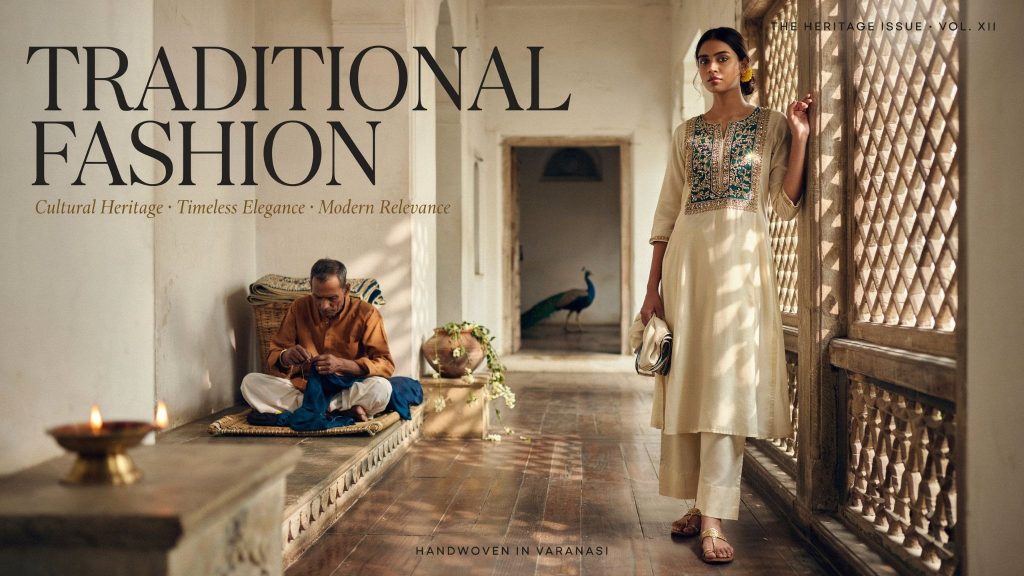
Moreover, traditional fashion offers something that modern trends often cannot: authenticity. While seasonal trends come and go, traditional attire carries centuries of meaning and craftsmanship. Whether worn during festivals, weddings, religious ceremonies, or national celebrations, these garments represent pride, respect, and belonging.
In recent years, global appreciation for cultural diversity has brought these fashion back into the spotlight. Designers now blend heritage with innovation, creating styles that honour history while appealing to contemporary tastes. This comprehensive guide explores the origins, significance, evolution, and future of this fashion while highlighting its enduring place in modern society.
Understanding Traditional Fashion
This fashion refers to clothing and accessories that represent the customs and cultural identity of a particular community, region, or nation. Unlike fast-changing fashion trends, traditional attire often remains consistent over generations because it preserves historical significance and social values.
Furthermore, these garments frequently feature distinctive fabrics, colors, embroidery, and designs that symbolize local traditions. People wear them not only for appearance but also to celebrate festivals, honor ancestors, and express cultural pride. Consequently, traditional fashion serves both practical and symbolic purposes.
The Historical Evolution of Traditional Clothing
The history of traditional fashion stretches back thousands of years. Ancient civilizations created garments using natural materials available in their environments, including cotton, wool, silk, and animal hides. As societies developed, clothing gradually reflected social status, occupation, religion, and regional identity.
Over time, trade routes introduced new fabrics and decorative techniques, enriching traditional styles without replacing their cultural foundations. Additionally, skilled artisans passed their knowledge from one generation to another, ensuring that embroidery methods, weaving patterns, and tailoring techniques survived through centuries.
Today, many traditional garments remain remarkably similar to their historical versions while incorporating subtle modern improvements.
Why Traditional Fashion Remains Important
This fashion preserves cultural identity in an increasingly globalized world. When people wear garments associated with their heritage, they strengthen connections with family traditions and historical values. Moreover, traditional clothing educates younger generations about their ancestors and encourages appreciation for local craftsmanship.
In addition, these garments promote diversity by showcasing the unique artistic achievements of different cultures. Rather than creating division, traditional fashion fosters curiosity and mutual respect among communities worldwide.
Therefore, preserving traditional attire contributes to maintaining cultural richness for future generations.
The Cultural Significance of Traditional Fashion
Every detail within traditional clothing often carries symbolic meaning. Colors may represent prosperity, purity, courage, or spirituality, while embroidery patterns frequently depict local stories, nature, or religious beliefs. Even accessories such as jewelry, headwear, and footwear contribute to the overall cultural narrative.
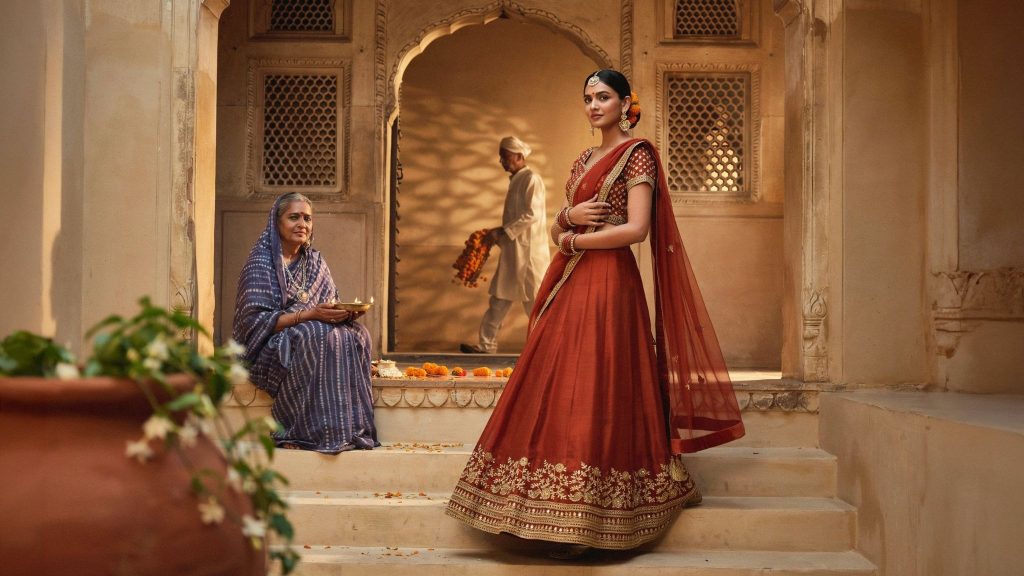
Furthermore, traditional garments often mark important life events including weddings, coming-of-age ceremonies, religious celebrations, and national holidays. Consequently, clothing becomes an essential part of preserving collective memory and community identity.
Common Features of Traditional Clothing
Although traditional styles vary across regions, many share similar characteristics that distinguish them from contemporary fashion.
Some common elements include:
- Handcrafted embroidery and decorative stitching
- Natural fabrics such as cotton, silk, or wool
- Symbolic colors and patterns
- Regional weaving techniques
- Cultural accessories and jewelry
- Loose, comfortable silhouettes suited to local climates
- Artisan craftsmanship passed through generations
These features contribute to both the beauty and historical value of traditional garments.
Fabrics and Craftsmanship
The quality of traditional fashion often depends on exceptional craftsmanship. Skilled artisans spend weeks or even months weaving fabrics, creating embroidery, and sewing garments by hand. Unlike mass-produced clothing, traditional pieces frequently require patience, precision, and artistic expertise.
Cotton remains popular in warm climates because it provides breathability and comfort. Silk represents luxury and elegance, while wool offers warmth in colder regions. Additionally, handmade textiles preserve local techniques that might otherwise disappear.
As a result, every finished garment becomes both functional clothing and a work of art.
Traditional Fashion Around the World
Every culture expresses its identity through unique clothing traditions. South Asia features beautifully embroidered outfits and flowing garments suitable for both daily wear and celebrations. East Asian attire often emphasizes elegant silhouettes and symbolic patterns rooted in centuries of history.
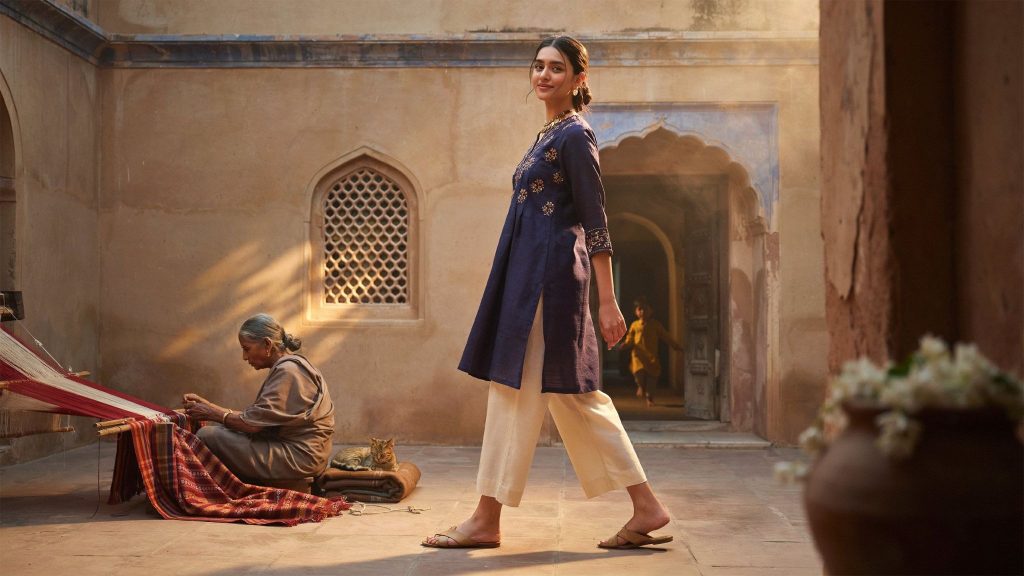
Similarly, African traditional fashion incorporates vibrant prints and handcrafted textiles that celebrate community heritage. European folk costumes preserve regional customs through detailed embroidery and historical tailoring techniques, while Middle Eastern garments combine modesty with sophisticated craftsmanship.
Despite these differences, fashion across cultures shares a common purpose: preserving identity while celebrating creativity.
The Role of Traditional Fashion in Festivals and Celebrations
Festivals provide opportunities for communities to showcase their cultural heritage through clothing. During weddings, religious ceremonies, harvest celebrations, and national holidays, families proudly wear traditional garments that reflect generations of history.
Moreover, these occasions strengthen emotional connections between individuals and their communities. Children often learn cultural values by observing elders wearing ceremonial attire, while visitors gain deeper appreciation for local traditions through visual expression.
Consequently, it remains an essential component of meaningful celebrations.
Traditional Fashion for Men
Men’s traditional attire often combines practicality with elegance. Long robes, tunics, embroidered jackets, waistcoats, turbans, and ceremonial headwear vary according to regional customs and historical influences.
Many designs prioritize comfort while incorporating symbolic details that reflect family heritage or social status. Furthermore, handcrafted footwear and accessories complete the overall appearance without overshadowing the garment itself.
Even today, men proudly wear traditional clothing during weddings, festivals, and official cultural events.
Traditional Fashion for Women
Women’s traditional clothing frequently showcases exceptional artistry through embroidery, beadwork, weaving, and decorative patterns. Dresses, robes, skirts, shawls, and scarves often feature vibrant colors that represent joy, prosperity, or spirituality.
Additionally, jewellery and accessories play important roles by complementing garments while reflecting local customs. Although styles differ across cultures, women consistently use this fashion to celebrate identity, elegance, and family heritage.
Importantly, many contemporary designers reinterpret these classic garments while preserving their cultural significance.
The Influence of Traditional Fashion on Modern Design
Modern fashion designers frequently draw inspiration from traditional clothing because it offers timeless beauty and rich storytelling. Embroidery techniques, handcrafted textiles, and historical silhouettes often appear in contemporary collections adapted for global audiences.
Furthermore, collaborations between artisans and fashion brands help preserve endangered crafts while introducing them to younger generations. As a result, it continues influencing innovation without losing its authenticity.
This balance between heritage and creativity strengthens both cultural preservation and artistic development.
Accessories That Complete Traditional Attire
Accessories contribute significantly to traditional fashion by adding cultural depth and visual harmony. Carefully selected items often hold symbolic or ceremonial importance beyond decoration.
Common traditional accessories include:
- Handcrafted jewelry
- Decorative belts
- Headscarves or turbans
- Shawls
- Traditional footwear
- Hair ornaments
- Embroidered bags
These additions complete outfits while reinforcing historical identity and craftsmanship.
Sustainability and Traditional Fashion
Fashion naturally aligns with many modern sustainability principles. Artisans often use locally sourced materials, handmade production methods, and durable construction techniques that reduce environmental impact compared to mass manufacturing.
Additionally, families frequently preserve garments for decades or pass them between generations instead of replacing them regularly. Repairing and maintaining clothing further extends its lifespan while reducing waste.
Therefore, it demonstrates that quality and sustainability can coexist successfully.
Challenges Facing Traditional Fashion Today
Despite its enduring importance that fashion faces several challenges. Globalization and fast fashion sometimes encourage younger generations to abandon cultural clothing in favor of rapidly changing trends. Likewise, industrial manufacturing threatens handmade craftsmanship by prioritizing speed over artistry.
However, cultural organizations, educational institutions, and independent designers continue promoting traditional techniques through exhibitions, workshops, and digital platforms. Consequently, renewed appreciation helps preserve these valuable traditions.
Supporting local artisans also plays a crucial role in protecting cultural heritage.
Building Cultural Pride Through Traditional Fashion
Wearing traditional clothing often strengthens emotional connections to family history and community identity. Individuals who embrace their heritage inspire others to appreciate cultural diversity while fostering mutual respect.
Rather than viewing traditional attire as outdated, modern societies increasingly recognize its educational and artistic value. By celebrating these garments during important occasions, people preserve stories that might otherwise fade with time.
Ultimately, traditional fashion empowers communities to honour the past while embracing the future.
The Future of Traditional Fashion
The future of this fashion appears promising as technology and cultural awareness continue evolving together. Digital platforms allow artisans to reach international audiences, while online education introduces younger generations to historical craftsmanship.
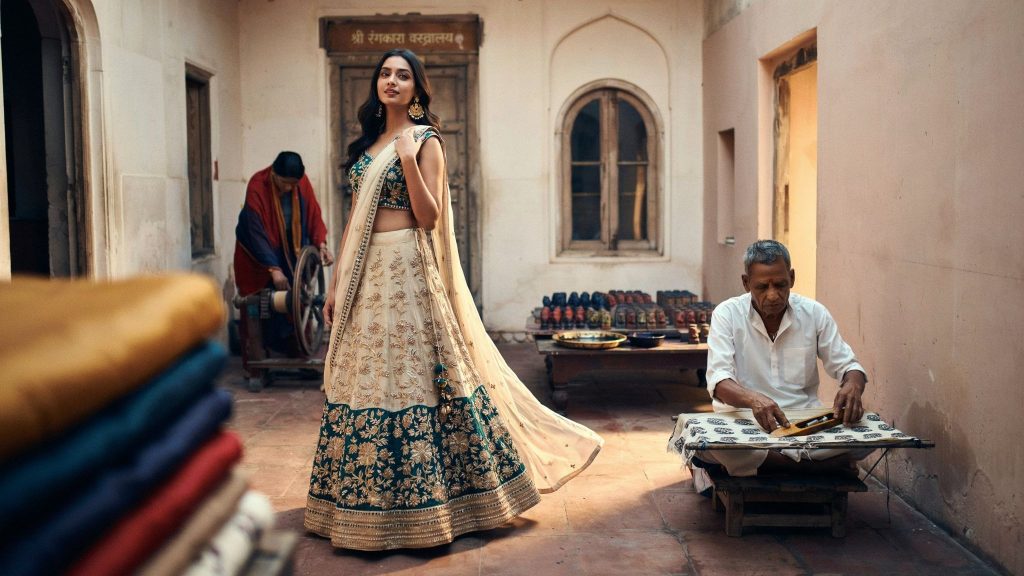
Furthermore, sustainable fashion movements encourage consumers to value handmade quality over disposable trends. Designers increasingly collaborate with local communities to create modern interpretations that respect cultural authenticity while appealing to contemporary lifestyles.
As these partnerships expand, such fashion will likely continue thriving as both cultural heritage and innovative design.
Conclusion
Traditional fashion represents far more than clothing it embodies history, craftsmanship, identity, and cultural pride. Every stitch, fabric, and pattern tells a story that connects generations while preserving the unique traditions of communities around the world. Although fashion trends constantly evolve, traditional attire remains timeless because it reflects values that transcend changing styles.
Moreover, its influence on modern design demonstrates that heritage and innovation can coexist beautifully. By supporting artisans, embracing sustainable practices, and educating future generations, society ensures that traditional fashion continues inspiring creativity and preserving cultural diversity.
Ultimately, wearing traditional clothing is not simply about appearance. It is about honoring the past, celebrating the present, and passing meaningful traditions to those who will shape the future.
Frequently Asked Questions (FAQs)
1. What is traditional fashion?
It refers to clothing and accessories that reflect the cultural heritage, customs, and historical identity of a specific community, region, or country.
2. Why is traditional fashion important?
It fashion preserves cultural identity, showcases craftsmanship, strengthens community pride, and helps pass historical traditions from one generation to the next.
3. What materials are commonly used in traditional clothing?
Many traditional garments use natural fabrics such as cotton, silk, wool, linen, and handcrafted textiles that suit local climates and cultural practices.
4. Can this fashion be combined with modern styles?
Yes. Many designers successfully blend traditional embroidery, fabrics, and patterns with contemporary silhouettes to create fashionable yet culturally respectful clothing.
5. How does this fashion support sustainability?
It often relies on handmade craftsmanship, durable materials, local production, and long-lasting garments that reduce waste and encourage responsible consumption.