
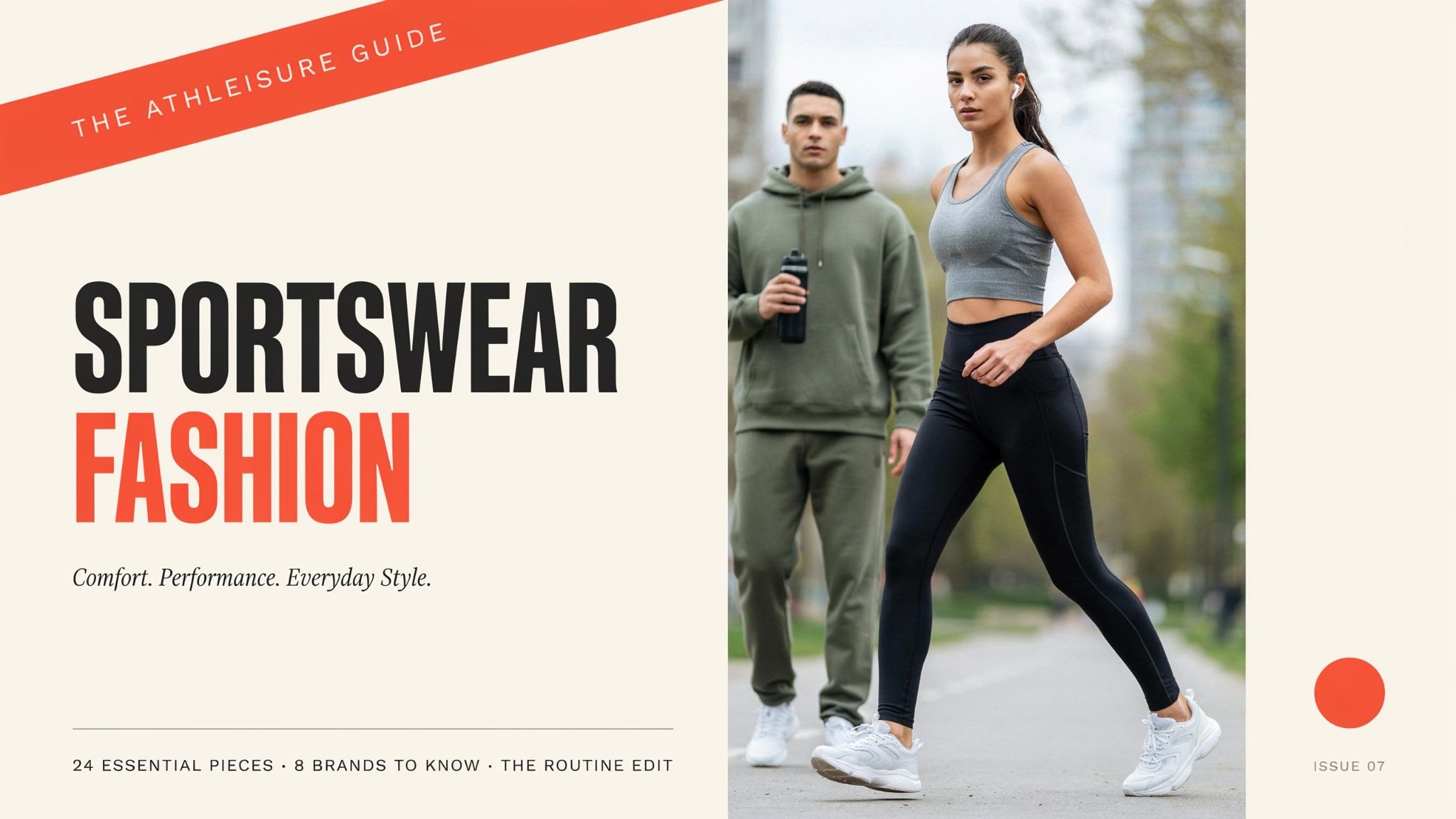

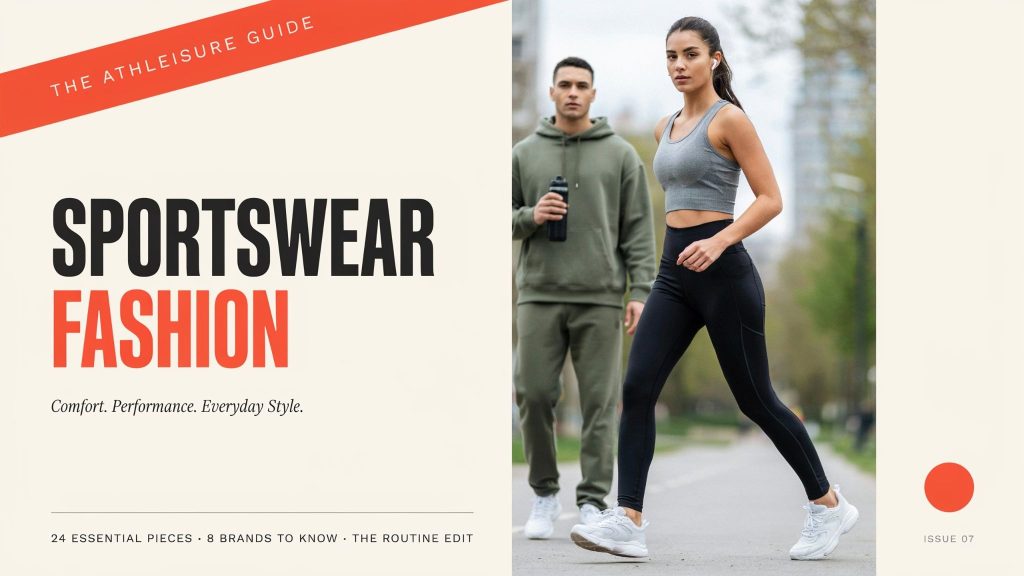
Sportswear, commonly known today as athleisure fashion, has revolutionized the way people dress by combining athletic performance with modern style. What was once limited to gyms, sports fields, and fitness centers has now become an essential part of everyday wardrobes around the world. From morning workouts and office commutes to shopping trips and casual gatherings, athleisure seamlessly blends functionality with fashion.
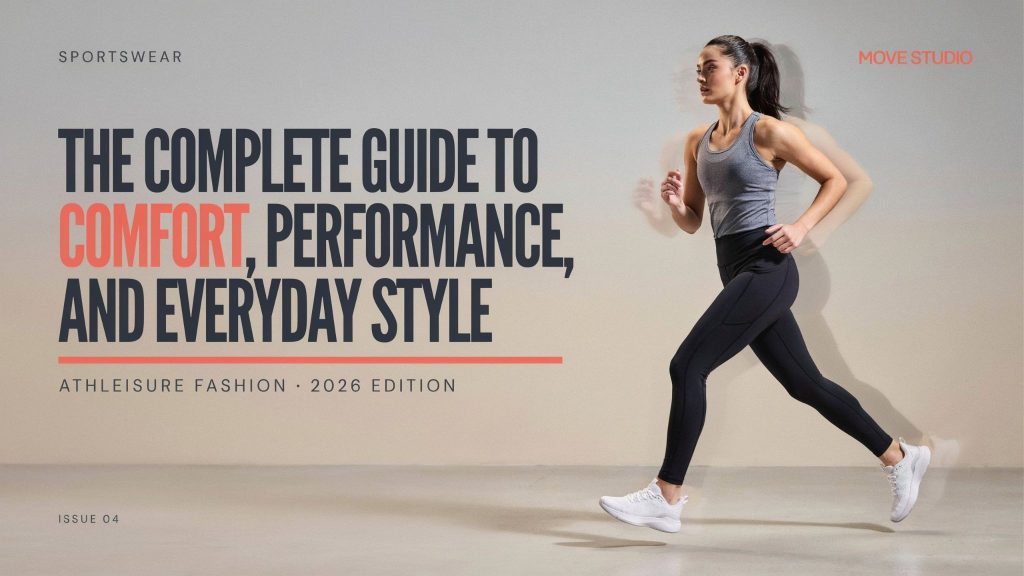
The rise of health-conscious lifestyles and remote work has further accelerated the popularity of sportswear. People no longer want separate wardrobes for exercise and daily activities. Instead, they seek clothing that offers comfort, flexibility, and a polished appearance throughout the day. Consequently, athleisure has become one of the fastest-growing segments in the global fashion industry.
Moreover, advancements in fabric technology and innovative design have transformed sportswear into much more than simple workout attire. Modern athleisure reflects confidence, versatility, and practicality while allowing individuals to express their personal style. This comprehensive guide explores every aspect of sportswear fashion, from its history and essential wardrobe pieces to sustainability, styling tips, and future innovations.
Understanding Sportswear (Athleisure) Fashion
Sportswear fashion combines athletic clothing with casual everyday wear, creating outfits that look fashionable while supporting physical activity. Unlike traditional sports uniforms designed solely for performance, athleisure garments transition effortlessly between exercise and daily life.
Furthermore, this style prioritizes comfort without compromising appearance. Stretchable fabrics, breathable materials, and ergonomic designs allow people to move freely while maintaining a polished look. As a result, sportswear appeals to fitness enthusiasts and fashion-conscious individuals alike.
The Evolution of Sportswear Fashion
Sportswear has undergone a remarkable transformation over the past century. Initially, athletic clothing focused exclusively on functionality for professional athletes and sports competitions. Simple cotton garments dominated the market because few alternatives existed.
However, technological advancements introduced moisture-wicking fabrics, lightweight materials, and innovative designs that enhanced athletic performance. Simultaneously, changing lifestyles encouraged people to wear comfortable clothing beyond the gym.
As celebrities, fitness influencers, and designers embraced athleisure, sportswear entered mainstream fashion. Today, luxury brands and athletic companies collaborate to produce collections that combine performance technology with contemporary aesthetics.
Why Athleisure Has Become So Popular
Several factors explain the extraordinary success of Sportswear fashion. First, modern lifestyles demand versatility. People often transition between work, exercise, errands, and social events without changing outfits. Sportswear provides the flexibility needed for these busy schedules.
Second, comfort has become a top priority. Soft fabrics, elastic materials, and relaxed fits allow unrestricted movement throughout the day. Additionally, stylish designs enable individuals to feel confident while enjoying practical benefits.
Furthermore, the global emphasis on wellness and active living has encouraged consumers to adopt clothing that reflects healthy lifestyles. Consequently, athleisure has become more than a trend—it represents a cultural shift.
Essential Pieces in an Athleisure Wardrobe
Building a practical athleisure wardrobe begins with versatile essentials that combine style and performance. Investing in quality basics ensures long-term durability and maximum flexibility.
Key wardrobe staples include:
- Moisture-wicking T-shirts
- High-quality leggings or joggers
- Athletic shorts
- Hoodies and sweatshirts
- Zip-up jackets
- Sports bras and performance tops
- Comfortable sneakers
- Lightweight windbreakers
These foundational items create numerous outfit combinations suitable for workouts and everyday activities.
Fabric Technology and Performance Features
The success of sportswear depends heavily on advanced fabric technology. Modern materials actively support comfort by managing moisture, regulating temperature, and enhancing mobility.
For example, moisture-wicking fabrics draw sweat away from the skin, keeping wearers dry during exercise. Stretchable fibers improve flexibility, while breathable mesh panels increase airflow. Additionally, some garments feature odor-resistant treatments and UV protection for enhanced functionality.
As textile innovation continues to evolve, sportswear becomes increasingly comfortable and efficient for both athletes and casual users.
Choosing the Right Fit
Proper fit significantly affects both performance and appearance. Clothing that fits too tightly may restrict movement, while oversized garments can interfere with physical activity. Therefore, selecting pieces that complement body shape without limiting mobility is essential.
Compression wear provides muscle support during intense workouts, whereas relaxed joggers and hoodies offer everyday comfort. By understanding intended use, consumers can choose garments that maximize both functionality and style.
Color Coordination in Sportswear Fashion
Color selection influences the versatility and visual appeal of sportswear. Neutral shades such as black, gray, navy, and white create timeless combinations suitable for multiple occasions. Meanwhile, vibrant colors and bold patterns inject personality into active wardrobes.
Many people build outfits around monochromatic palettes before adding colorful sneakers or accessories for contrast. Additionally, coordinated sets create polished appearances that require minimal styling effort.
Balancing classic colors with occasional statement pieces ensures long-lasting wardrobe flexibility.
Sportswear for Men
Men’s athleisure focuses on clean silhouettes, functionality, and versatility. Joggers paired with fitted performance shirts create balanced outfits suitable for workouts or casual outings. Similarly, hoodies layered over athletic tops provide warmth without sacrificing style.
Sneakers remain central to men’s sportswear because they combine comfort with visual appeal. Minimal accessories such as fitness watches or backpacks further enhance practicality while maintaining understated elegance.
Ultimately, successful men’s athleisure prioritizes quality materials and proper fit over excessive branding.
Sportswear for Women
Women’s athleisure offers exceptional variety through leggings, performance tops, sports bras, oversized hoodies, biker shorts, and lightweight jackets. These pieces allow effortless transitions between exercise sessions and daily responsibilities.
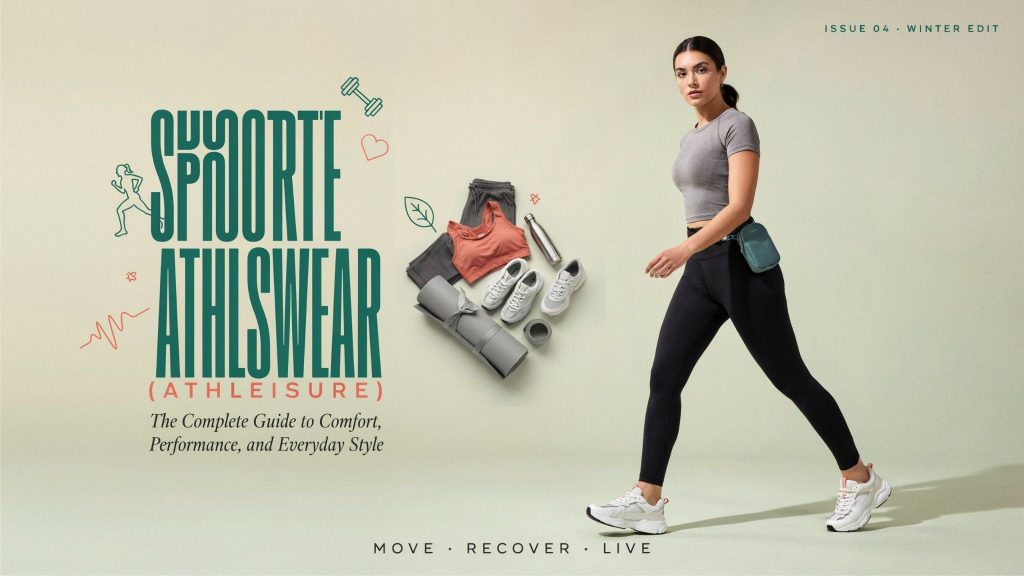
Moreover, women often experiment with layering techniques, combining fitted garments with oversized outerwear for balanced proportions. Stylish sneakers and functional accessories complete outfits while supporting active lifestyles.
Comfort and confidence remain equally important, making athleisure one of the most empowering fashion choices for modern women.
Sneakers: The Heart of Athleisure Style
No athleisure wardrobe feels complete without quality sneakers. These shoes provide support during physical activity while serving as stylish statement pieces for everyday wear.
Running shoes, training shoes, and lifestyle sneakers each offer unique benefits depending on intended use. Furthermore, advances in cushioning technology and ergonomic design improve comfort during extended periods of walking or exercise.
Choosing versatile sneakers allows individuals to maximize both functionality and fashion.
Accessories That Complement Sportswear
Accessories enhance athleisure without overwhelming its simplicity. Functional additions improve convenience while reinforcing personal style.
Popular athleisure accessories include:
- Smartwatches or fitness trackers
- Baseball caps
- Sports backpacks
- Crossbody bags
- Water bottles
- Sunglasses
- Lightweight jackets
Selecting practical accessories ensures outfits remain useful while maintaining modern aesthetics.
Dressing for Different Seasons
Athleisure adapts easily to changing weather conditions through thoughtful layering and fabric selection. During summer, lightweight performance shirts, shorts, and breathable sneakers keep individuals cool and comfortable.
Autumn introduces hoodies and joggers, while winter encourages thermal leggings, insulated jackets, and weather-resistant footwear. Spring allows combinations of lightweight outerwear with moisture-wicking basics.
Consequently, sportswear remains practical throughout the year regardless of climate.
Sustainability in Sportswear Fashion
Environmental responsibility has become increasingly important within the sportswear industry. Many manufacturers now produce garments using recycled polyester, organic cotton, and environmentally friendly manufacturing processes.
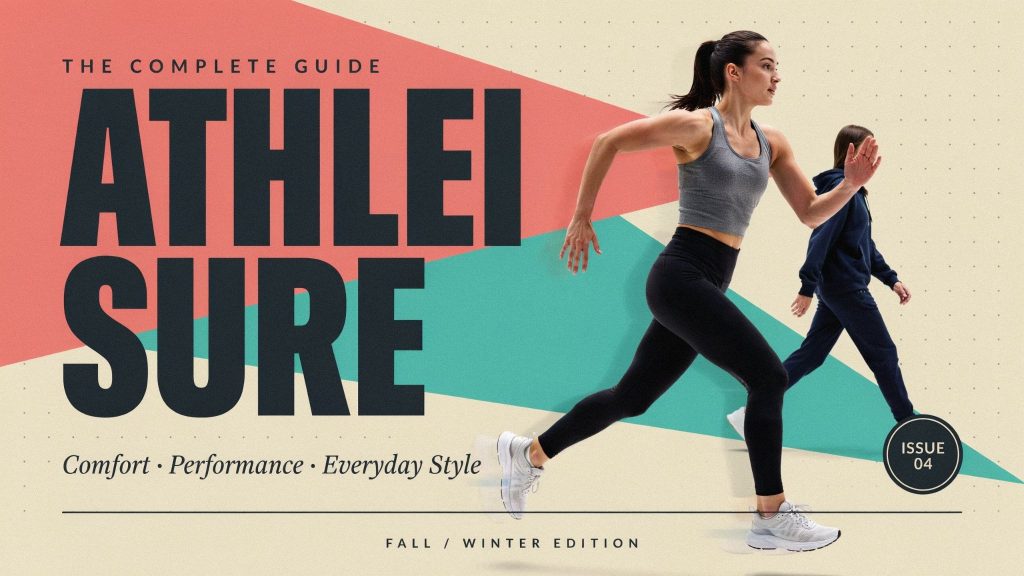
Consumers also support sustainability by purchasing durable products rather than frequently replacing inexpensive alternatives. Additionally, recycling programs and secondhand markets extend the lifespan of athletic clothing while reducing waste.
Therefore, sustainable practices benefit both the environment and long-term consumer value.
Common Mistakes to Avoid
Although athleisure emphasizes comfort, certain styling mistakes can reduce its effectiveness. Wearing worn-out sneakers or poorly fitting leggings often creates an untidy appearance. Likewise, combining too many bright colors or oversized garments may disrupt outfit balance.
Another common mistake involves using performance clothing inappropriate for specific occasions. While athleisure is versatile, understanding social context remains important for maintaining professionalism and style.
Focusing on fit, cleanliness, and moderation consistently produces the best results.
Building Confidence Through Athleisure
One of athleisure’s greatest strengths lies in its ability to promote confidence through comfort. When individuals feel physically unrestricted, they often perform better and interact more naturally with others.
Rather than chasing every trend, successful dressers build wardrobes that reflect their lifestyles and personalities. Consequently, authentic styling creates stronger impressions than expensive logos or flashy designs.
Confidence ultimately transforms simple sportswear into meaningful self-expression.
The Future of Sportswear Fashion
Athleisure continues evolving through technological innovation and changing consumer expectations. Smart fabrics capable of monitoring body temperature, improving performance, or integrating wearable technology may soon become mainstream.
Additionally, artificial intelligence and digital customization could enable personalized clothing tailored to individual preferences and measurements. Sustainable production methods will likely expand further as environmental awareness grows worldwide.
Despite these advancements, comfort, versatility, and functionality will remain the defining principles of sportswear fashion.
Conclusion
Sportswear, or Sportswear fashion, has permanently reshaped modern wardrobes by proving that comfort and style can coexist harmoniously. From moisture-wicking fabrics and ergonomic designs to stylish sneakers and versatile layering techniques, athleisure supports active lifestyles while maintaining fashionable appearances.
Furthermore, its adaptability makes it suitable for people of all ages and professions. Whether heading to the gym, working remotely, traveling, or meeting friends, sportswear offers practical solutions without compromising confidence or individuality.
As innovation and sustainability continue influencing the industry, athleisure will remain one of the most dynamic and influential fashion movements of the twenty-first century. Ultimately, the best sportswear is not simply about looking athletic—it is about feeling comfortable, capable, and ready for whatever the day brings.
Frequently Asked Questions (FAQs)
1. What is athleisure fashion?
Athleisure is a style that combines athletic clothing with casual everyday fashion, allowing people to wear comfortable performance-inspired outfits both during workouts and daily activities.
2. What are the essential pieces in an athleisure wardrobe?
Key items include moisture-wicking T-shirts, leggings or joggers, hoodies, sports bras, athletic shorts, performance jackets, and comfortable sneakers.
3. Why has sportswear become so popular outside the gym?
Sportswear offers exceptional comfort, versatility, and style, making it suitable for work-from-home routines, travel, shopping, casual outings, and fitness activities.
4. Can athleisure be worn in professional environments?
Many modern workplaces with relaxed dress codes accept smart athleisure combinations, especially when paired with clean sneakers, structured jackets, and minimalist accessories.
5. How can I create a stylish athleisure outfit?
Start with well-fitting basics in neutral colors, choose quality sneakers, layer thoughtfully, add practical accessories, and prioritize comfort while maintaining a clean and balanced appearance.